 Chat or Call (877) 834-1434
 Call
Call Chat
Chat What’s App


Blog
Phil Campbell Dead at 64: Motörhead Guitar Legend Leaves Behind a Powerful Heavy Metal Legacy
The heavy metal world is mourning the loss of one of its most iconic guitarists. Phil Campbell, best known for his decades-long role in Motörhead, has passed away at the age of 64 following complications related to a serious illness and major surgery.
His passing marks the end of an era for rock and metal fans worldwide. From shaping Motörhead’s signature sound to continuing his musical journey with his family band, Campbell’s influence remains deeply embedded in the history of heavy metal.
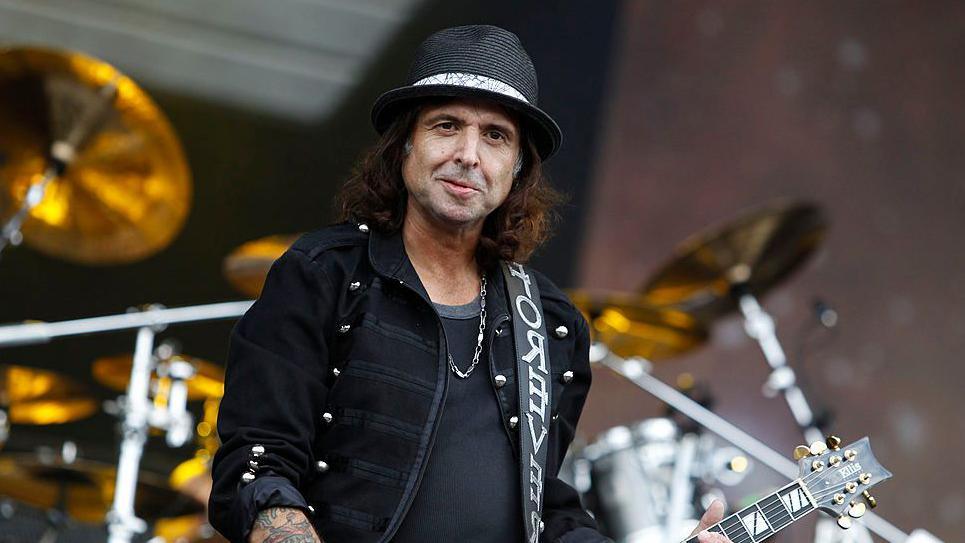
Phil Campbell’s Death Confirmed
Phil Campbell died on March 13, 2026, after a prolonged stay in intensive care following a complex major operation. His family confirmed that he passed away peacefully after what was described as a “long and courageous battle.”
A heartfelt statement from his family emphasized his role beyond music—as a devoted husband, father, and grandfather, affectionately known as “Bampi.”
His death came after health struggles that had already forced cancellations of upcoming tours with his band.
A Legendary Career with Motörhead
Phil Campbell joined Motörhead in 1984, becoming one of the band’s longest-serving members and a key figure in defining its sound.
He remained with the band until its disbandment in 2015 following the death of frontman Lemmy Kilmister.
Key Contributions:
-
Played on 16 Motörhead studio albums
-
Helped shape iconic releases like Orgasmatron and Bad Magic
-
Became the band’s sole guitarist after 1995
-
Defined the aggressive, fast-paced Motörhead guitar sound
Motörhead itself is widely regarded as one of the most influential bands in heavy metal history, blending speed, punk energy, and raw rock attitude.

Early Life and Musical Beginnings
Born in Pontypridd, Wales, in 1961, Phil Campbell began playing guitar at just 10 years old.
Before joining Motörhead, he played in several bands, most notably:
-
Persian Risk
These early experiences helped shape his aggressive playing style and prepared him for global fame.
Life After Motörhead
After Motörhead disbanded in 2015, Campbell continued his musical journey by forming:
-
Phil Campbell and the Bastard Sons
This band was particularly special—it featured his three sons, making it a family-driven project.
Achievements with the Band:
-
Released multiple albums including The Age of Absurdity and Kings of the Asylum
-
Continued touring globally
-
Maintained the raw, energetic spirit of Motörhead
However, planned tours in 2026 were canceled due to his declining health.
A Final Glimpse of His Live Power
Even years after Motörhead, Campbell remained a powerful live performer.
His stage presence, tone, and charisma continued to captivate fans worldwide—proving his passion for music never faded.
Influence on Heavy Metal
Phil Campbell wasn’t just a guitarist—he was a defining force in heavy metal.
His Impact Includes:
-
Helping bridge punk and metal energy
-
Influencing generations of guitarists
-
Contributing to Motörhead’s global legacy
-
Keeping classic heavy metal alive in modern eras
He drew inspiration from legends like:
-
Jimi Hendrix
-
Black Sabbath
And later became a legend in his own right.
Tributes from the Music World
Following news of his death, tributes poured in from fans, musicians, and industry figures worldwide.
Many remembered him as:
-
A humble and kind personality
-
A dedicated family man
-
A true rock ‘n’ roll spirit
His bandmates and peers praised not only his talent but also his humor and warmth.
Legacy That Will Never Fade
Phil Campbell’s legacy extends far beyond his recordings.
He leaves behind:
-
A catalog of iconic heavy metal music
-
A multi-generational fanbase
-
A family continuing his musical journey
-
A lasting influence on rock and metal culture
His work with Motörhead alone secured his place among the greatest guitarists in history.
Conclusion
The death of Phil Campbell is a profound loss for the music world. Yet his legacy continues to live on through his music, his influence, and the countless fans he inspired.
From roaring stadiums with Motörhead to intimate performances with his sons, Campbell’s journey was one of passion, dedication, and authenticity.
Heavy metal may have lost a legend—but his sound will never die.
FAQs
1. When did Phil Campbell die?
He passed away on March 13, 2026, at the age of 64.
2. What caused Phil Campbell’s death?
He died after complications following a complex major surgery and a prolonged stay in intensive care.
3. Which band was Phil Campbell most famous for?
He was best known as the guitarist of Motörhead.
4. Did Phil Campbell continue making music after Motörhead?
Yes, he formed Phil Campbell and the Bastard Sons with his three sons.
5. How long was he in Motörhead?
He played with the band from 1984 until its disbandment in 2015.